Make Dark Souls art look perfect on any screen with our comprehensive guide covering resolution enhancement, color correction, and device-specific optimization techniques. URL Slug: make-dark-souls-art-look-perfect-screen-guide
By sharjeel | 2023-11-14
Table of Contents
The Dark Souls Art Dilemma
There’s something hauntingly beautiful about Dark Souls art that captures our imagination. Yet, when we try to display these masterpieces on different screens, we often face a frustrating reality: what looked stunning in-game appears muddy, pixelated, or washed out on our devices. Learning to make Dark Souls art look perfect isn’t just about technical adjustments—it’s about preserving the atmospheric essence that makes these visuals so compelling. I remember spending hours trying to get my favorite Solaire wallpaper to look right across my phone, laptop, and TV, each time facing unique challenges that demanded different solutions.
TL;DR
Transform your Dark Souls art collection into stunning visuals on any screen by mastering resolution enhancement, color correction, and device-specific optimization techniques.
Understanding Dark Souls Visual Aesthetics
Dark Souls art is characterized by its distinctive visual language—moody lighting, intricate environmental storytelling, and a carefully crafted atmosphere of melancholy beauty. The art direction intentionally uses muted color palettes, dramatic contrast, and subtle details that reward careful observation. These elements work together to create the series’ signature oppressive yet captivating aesthetic.
When we attempt to make Dark Souls art look perfect, we must first appreciate these intentional design choices. The dimly lit corridors of Anor Londo, the haunting vistas of Lordran, and the intricate armor designs all rely on specific visual relationships that can easily be disrupted by improper display settings or hasty image processing.
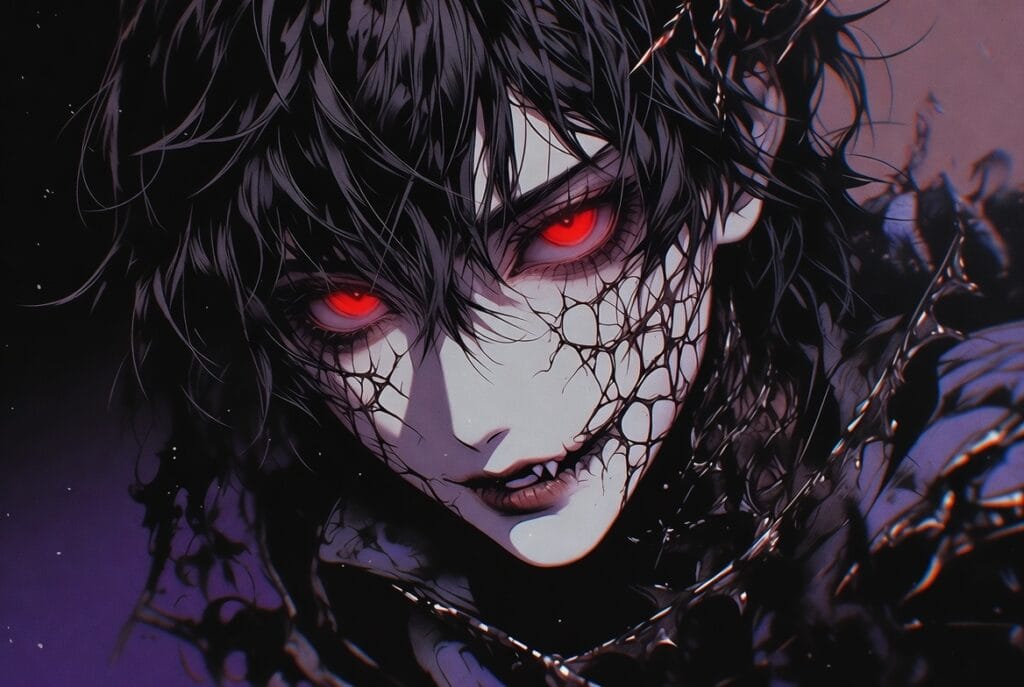
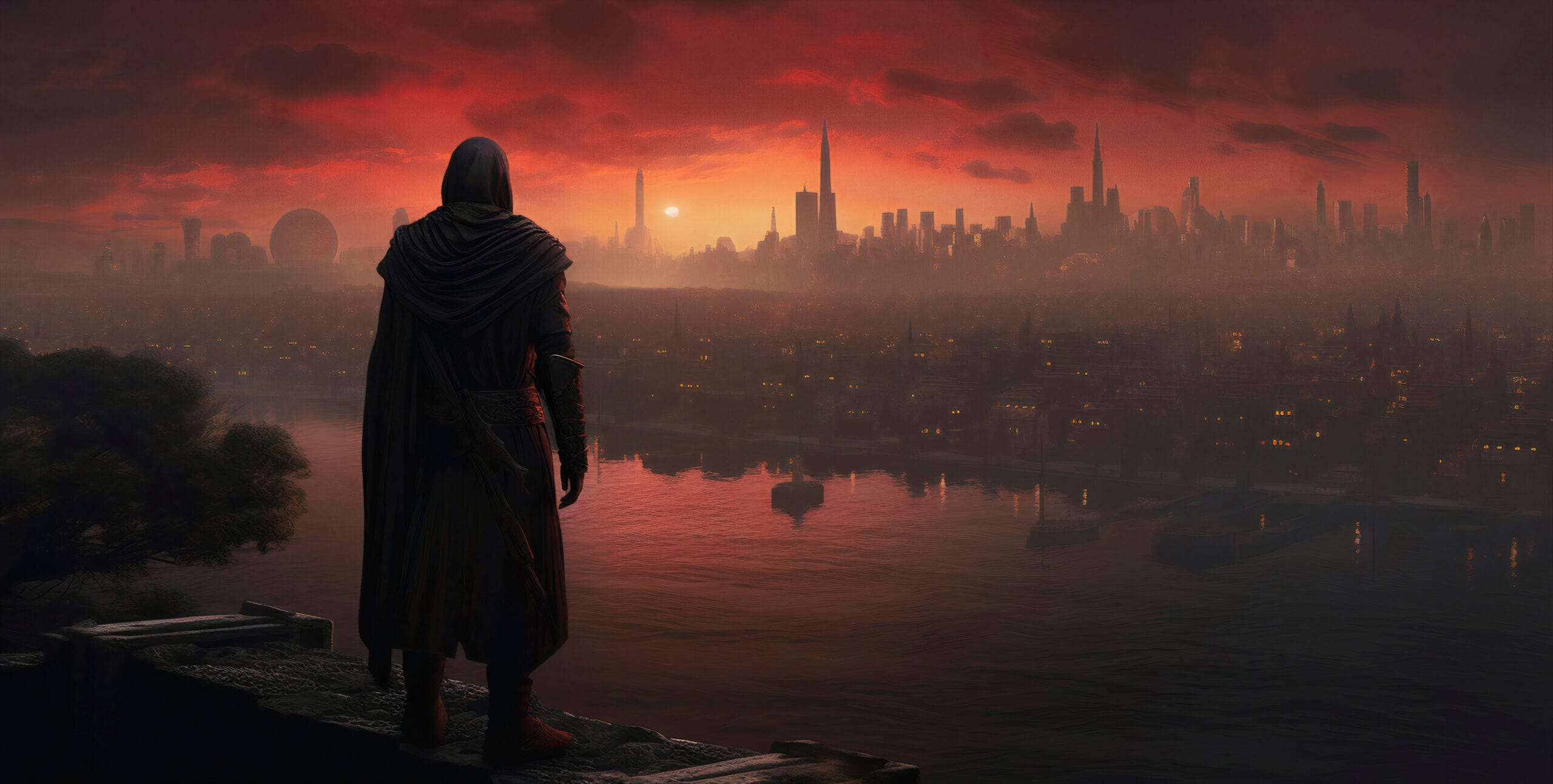
— Caption: The atmospheric lighting in Dark Souls art requires careful preservation during optimization.
Common Issues When Displaying Dark Souls Art
When transferring Dark Souls art across different devices, several recurring problems tend to diminish the viewing experience:
- Loss of shadow detail: The subtle gradients in darker regions often get crushed, becoming pure black blobs that lose texture and depth.
- Color shifting: The carefully balanced muted tones can appear oversaturated or washed out depending on display calibration.
- Resolution artifacts: Low-resolution assets become jagged or blurry when scaled up, particularly on high-DPI screens.
- Aspect ratio distortion: Artwork stretched to fit different screen dimensions loses its intended composition.
- Brightness inconsistency: What looks appropriately dark on one device may be completely invisible on another.
These issues stem from fundamental differences in display technologies, calibration, and the inherent challenges of translating art designed for specific viewing conditions to the varied environments of our personal devices.
Essential Tools for Art Enhancement
To make Dark Souls art look perfect across different screens, you’ll need a toolkit of both software and knowledge. Here are the essentials:
- Image editing software: Adobe Photoshop, GIMP, or Affinity Photo for detailed adjustments
- Upscaling tools: Topaz Gigapixel AI, Waifu2x, or ESRGAN for intelligent resolution enhancement
- Color calibration utilities: DisplayCAL or built-in OS calibration tools
- Format converters: Tools that handle WebP, PNG, and JPEG efficiently
- Device-specific preview apps: To test how images appear on target platforms
These tools form the foundation of your optimization workflow, allowing you to address the specific challenges that Dark Souls art presents when displayed on different screens.
Step-by-Step Guide to Perfect Dark Souls Art
Resolution Enhancement Techniques
Starting with the highest quality source material is crucial when you want to make Dark Souls art look perfect. If you’re working with official art, seek out the highest resolution versions available. For screenshots, consider using PC capture tools at maximum settings.
When upscaling is necessary, modern AI-powered tools can work wonders:
- Topaz Gigapixel AI: Exceptionally good at preserving the painterly quality of Dark Souls concept art while adding detail.
- Waifu2x: Particularly effective for anime-style elements in the Dark Souls universe.
- ESRGAN: Custom models can be trained specifically on Dark Souls assets for optimal results.
For best results, upscale in moderate increments (no more than 2x at a time) and apply subtle sharpening between passes. This approach maintains the artistic integrity while significantly improving clarity on high-resolution displays.
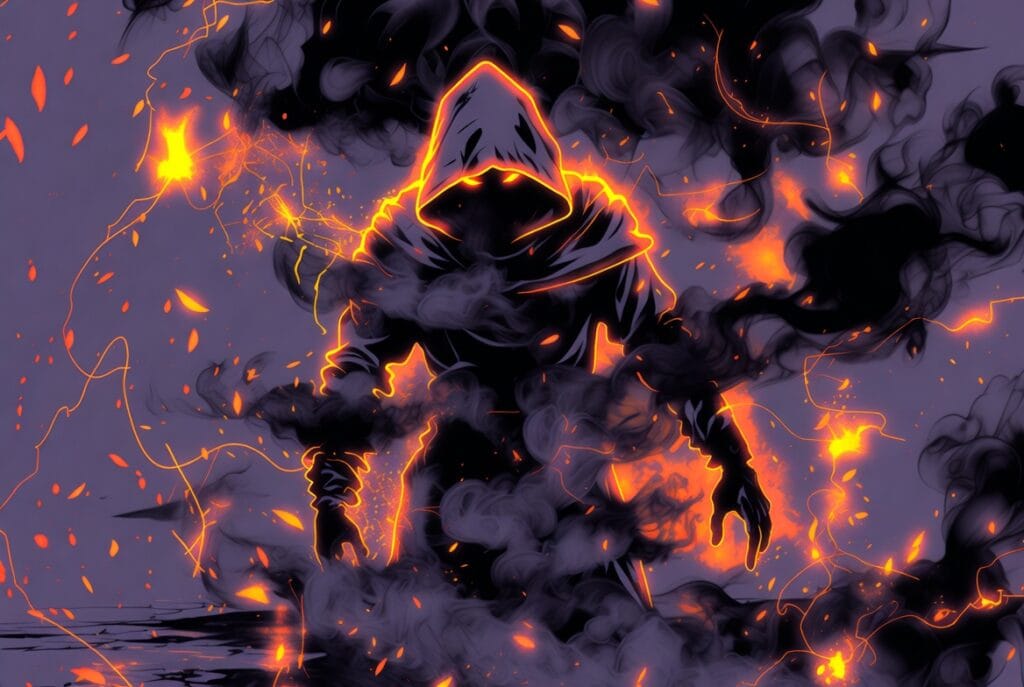
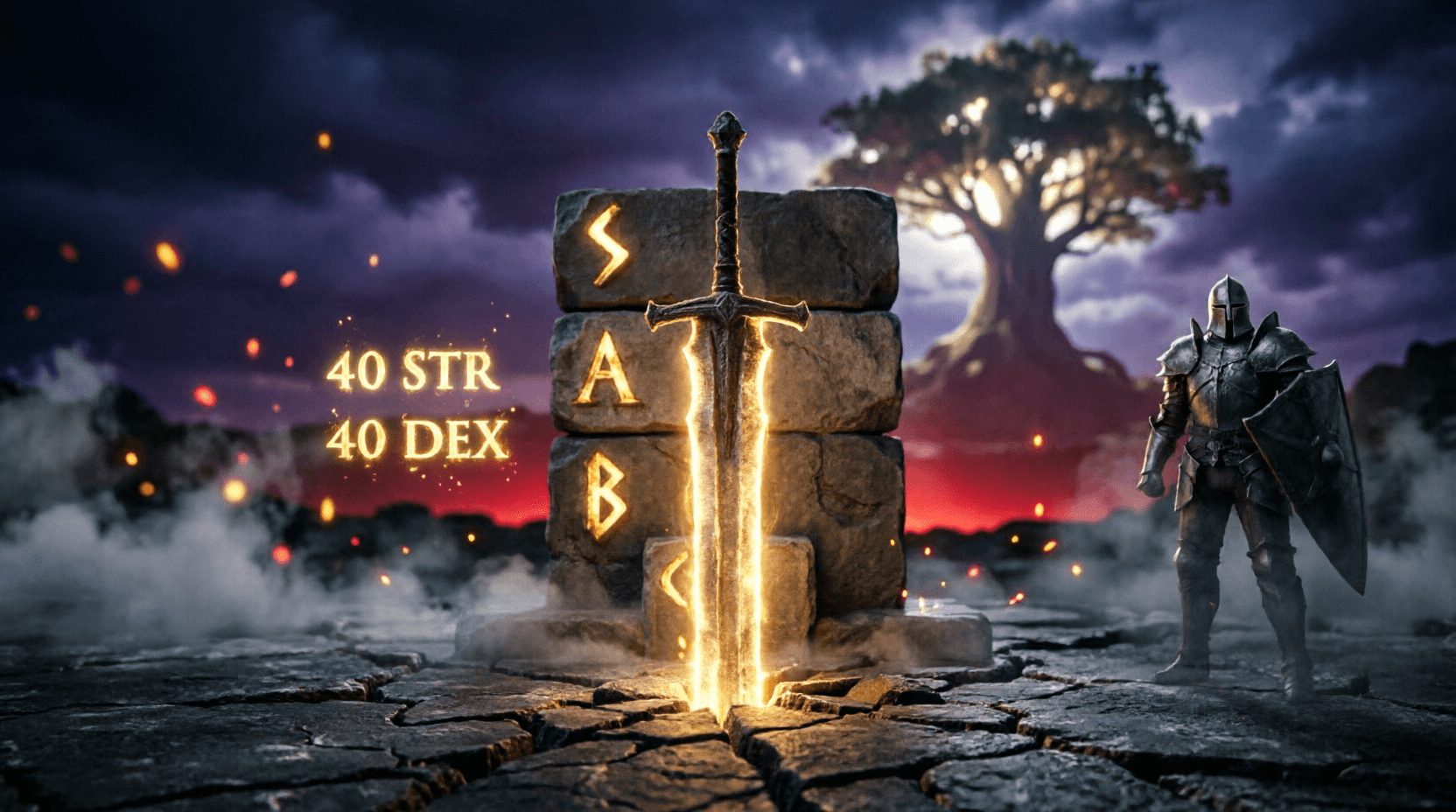
— Caption: AI upscaling can reveal hidden details in Dark Souls art without compromising its distinctive style.
Color Correction for Atmospheric Integrity
The moody atmosphere of Dark Souls is heavily dependent on its carefully crafted color palette. When optimizing for different displays, maintaining this atmospheric integrity is essential:
- Start with a properly calibrated monitor to ensure your adjustments are based on accurate color representation.
- Use selective color adjustments rather than global changes to target specific problem areas.
- Preserve shadow detail by using curves adjustments to lift the darkest areas without crushing blacks.
- Maintain color relationships—the relative balance between colors is more important than absolute accuracy.
- Consider the viewing environment—art viewed on a phone in bright sunlight needs different treatment than the same art on a TV in a dark room.
For mobile devices, slightly increased contrast and brightness can help compensate for ambient light and smaller screen sizes. For larger displays in controlled environments, stay closer to the original artistic intent.
Contrast and Sharpness Adjustments
Dark Souls art often features intricate details that can become lost when displayed on smaller screens or lower-resolution panels. Strategic contrast and sharpness adjustments can help preserve these details:
- Apply local contrast enhancement using tools like Unsharp Mask with high radius and low amount to improve perceived detail without creating halos.
- Use frequency separation to target texture enhancement without affecting overall tonality.
- Implement edge-directed sharpening to enhance important structural elements without amplifying noise.
- Consider screen type—OLED displays can handle deeper blacks and higher contrast than LCD panels.
- Test on target devices—what looks good on your editing monitor may appear overly sharp on a phone screen.
Remember that the goal is to reveal the art’s inherent detail, not to create an artificial hyper-realistic appearance. The painterly quality of Dark Souls art should remain intact.
Device-Specific Optimization
Mobile Display Considerations
Mobile devices present unique challenges when displaying Dark Souls art due to their smaller screens, varying display technologies, and diverse viewing conditions:
- Adapt brightness and contrast for outdoor visibility while preserving shadow detail
- Optimize aspect ratios for common mobile screen dimensions (19.5:9, 18:9, etc.)
- Consider lock screen and home screen layouts to ensure key elements aren’t obscured by UI elements
- Use efficient formats like WebP to balance quality with file size and battery impact
- Test under various lighting conditions to ensure the art remains compelling in different environments
For wallpapers, create versions with safe zones for clocks and notifications. The iPhone lock-screen layout, for example, places significant elements at the top that can obscure important parts of the art.
Desktop and Monitor Settings
Desktop environments offer more control and consistency but come with their own set of considerations:
- Match resolution to display capabilities—4K monitors can reveal details invisible on 1080p screens
- Consider color space—sRGB for standard displays, wider gamuts for professional monitors
- Account for interface elements when creating wallpapers, especially on multi-monitor setups
- Optimize for common viewing distances—desktops are typically viewed from farther away than phones
- Leverage display profiles to ensure consistent appearance across different monitors
For multi-monitor setups, consider creating extended versions of artwork that span across displays, or select pieces that work well when repeated across multiple screens.
TV Display Optimization
TVs present unique opportunities and challenges for displaying Dark Souls art:
- Account for overscan—many TVs still crop the edges of the image by 3-5%
- Optimize for viewing distance—art viewed from across a room needs different treatment than art viewed up close
- Consider HDR capabilities—if available, HDR can dramatically enhance the atmospheric lighting of Dark Souls art
- Adjust for ambient light—living rooms typically have more variable lighting than dedicated home theaters
- Test different picture modes—Cinema/Movie modes typically offer the most accurate color reproduction
For the best results, create specific versions of artwork optimized for TV display, taking advantage of the larger canvas size while ensuring important details remain visible from typical viewing distances.
Export Settings for Different Platforms
To make Dark Souls art look perfect across various platforms, proper export settings are crucial:
For mobile wallpapers:
- Format: JPEG (80-90% quality) or WebP
- Resolution: Match device resolution (e.g., 1170 x 2532 for iPhone 13 Pro)
- Color space: sRGB
- Additional: Create versions with safe zones for lock screen/home screen
For desktop wallpapers:
- Format: PNG (for art with limited colors) or high-quality JPEG
- Resolution: Match display resolution (e.g., 3840 x 2160 for 4K)
- Color space: sRGB (standard) or Adobe RGB (for wide-gamut displays)
- Additional: Consider creating multi-monitor versions
For web display:
- Format: WebP (modern browsers) or progressive JPEG
- Resolution: Optimize for intended display size (consider responsive images)
- Color space: sRGB
- Additional: Include appropriate alt text with the focus keyword
For social media:
- Format: PNG or high-quality JPEG
- Resolution: Platform-specific (e.g., 1080 x 1920 for Instagram Stories)
- Color space: sRGB
- Additional: Account for platform UI elements and compression
— Caption: Proper export settings ensure Dark Souls art maintains its quality across different platforms and devices.
Preserving Artistic Intent While Enhancing
As we work to make Dark Souls art look perfect on various screens, we must constantly balance technical improvements with artistic integrity. The atmospheric darkness, the carefully composed scenes, and the subtle details all contribute to the experience that makes Dark Souls art so compelling.
When making adjustments, always ask yourself: Does this enhancement serve the original artistic vision? The goal isn’t to transform Dark Souls art into something it’s not, but to allow its inherent qualities to shine through regardless of display limitations.
Consider creating multiple versions of artwork optimized for different viewing conditions rather than trying to find a one-size-fits-all solution. A version optimized for a phone in bright sunlight will naturally differ from one intended for a home theater environment.
Technical Specifications Box
| Setting | Recommendation |
|---|---|
| Resolution | Match target device resolution, upscale with AI tools if needed |
| Color Space | sRGB for standard displays, Adobe RGB/P3 for wide-gamut |
| File Format | PNG for limited colors, WebP for web, JPEG for photos |
| Compression | 80-90% quality for JPEG, lossless for PNG/WebP when possible |
| Aspect Ratio | Preserve original or create device-specific versions |
| Color Depth | 24-bit (16.7 million colors) minimum |
Related Ideas
- Dark Souls Wallpaper Collection for Multiple Devices
- Creating Custom Dark Souls Phone Themes
- Best Practices for Gaming Art Preservation
- Color Theory in Dark Souls Visual Design
- From Screenshot to Artwork: Dark Souls Photography Guide
- Display Calibration for Optimal Gaming Art Viewing
Frequently Asked Questions
Why does Dark Souls art look different on various screens?
Different screens have varying color calibration, resolution, contrast ratios, and display technologies. These differences affect how the atmospheric lighting and subtle details in Dark Souls art are rendered, making the same image appear different across devices.
What’s the best resolution for Dark Souls wallpapers?
The ideal resolution matches your device’s native resolution. For phones, this might be 1170 x 2532 (iPhone 13 Pro) or 1440 x 3200 (Samsung Galaxy S21). For desktops, common resolutions include 1920 x 1080 (Full HD), 2560 x 1440 (QHD), or 3840 x 2160 (4K).
How can I preserve the dark atmosphere of Dark Souls art on bright phone screens?
Use selective brightness adjustments to maintain shadow detail while making the image visible. Consider creating a version with slightly elevated midtones rather than increasing overall brightness, which preserves the intended mood while improving visibility in bright environments.
What file format is best for Dark Souls art?
For wallpapers, PNG preserves quality for art with limited colors, while high-quality JPEG works well for more complex images. For web use, WebP offers excellent compression with minimal quality loss. Always use the highest quality source available as your starting point.
Can I improve low-resolution Dark Souls art?
Yes, AI upscaling tools like Topaz Gigapixel AI, Waifu2x, or ESRGAN can significantly enhance low-resolution Dark Souls art. These tools intelligently add detail while preserving the artistic style, making it possible to enjoy older or lower-quality assets on modern high-resolution displays.
Conclusion
Making Dark Souls art look perfect on any screen is both a technical challenge and an artistic endeavor. By understanding the unique visual language of Dark Souls and applying the right enhancement techniques for each device, you can experience these hauntingly beautiful visuals as intended, regardless of how you choose to display them. Experiment with different approaches, respect the artistic intent, and transform your collection from low-res curiosities into legendary displays of atmospheric mastery.
Ready to elevate your Dark Souls art collection? Download our optimization toolkit and start transforming your favorite pieces today.
About the Author
Sharjeel is a digital artist and gaming enthusiast with a passion for preserving and enhancing visual art across different media. With over a decade of experience in image optimization and display technology, they specialize in making gaming art look its best on any device. Follow their work on Pinterest @sharjeelart for more tips and inspiring Dark Souls artwork collections.