Dive into advanced image color inversion techniques that transform your digital edits with pro tools, from subtle enhancements to bold flips—perfect for designers seeking vivid, emotional visuals without the hassle.
By Sharjeel Published: 2026-02-08
Imagine flipping the colors in a sunset photo, turning fiery oranges into cool blues that evoke a quiet midnight mystery—it’s like whispering a secret to your audience through visuals. That’s the magic of advanced image color inversion techniques, a simple yet powerful way to enhance your edits with pro tools. Whether you’re a budding designer tweaking anime portraits or a hobbyist breathing new life into fan art, these methods add depth and emotion, making your creations pop with unexpected vibrancy.
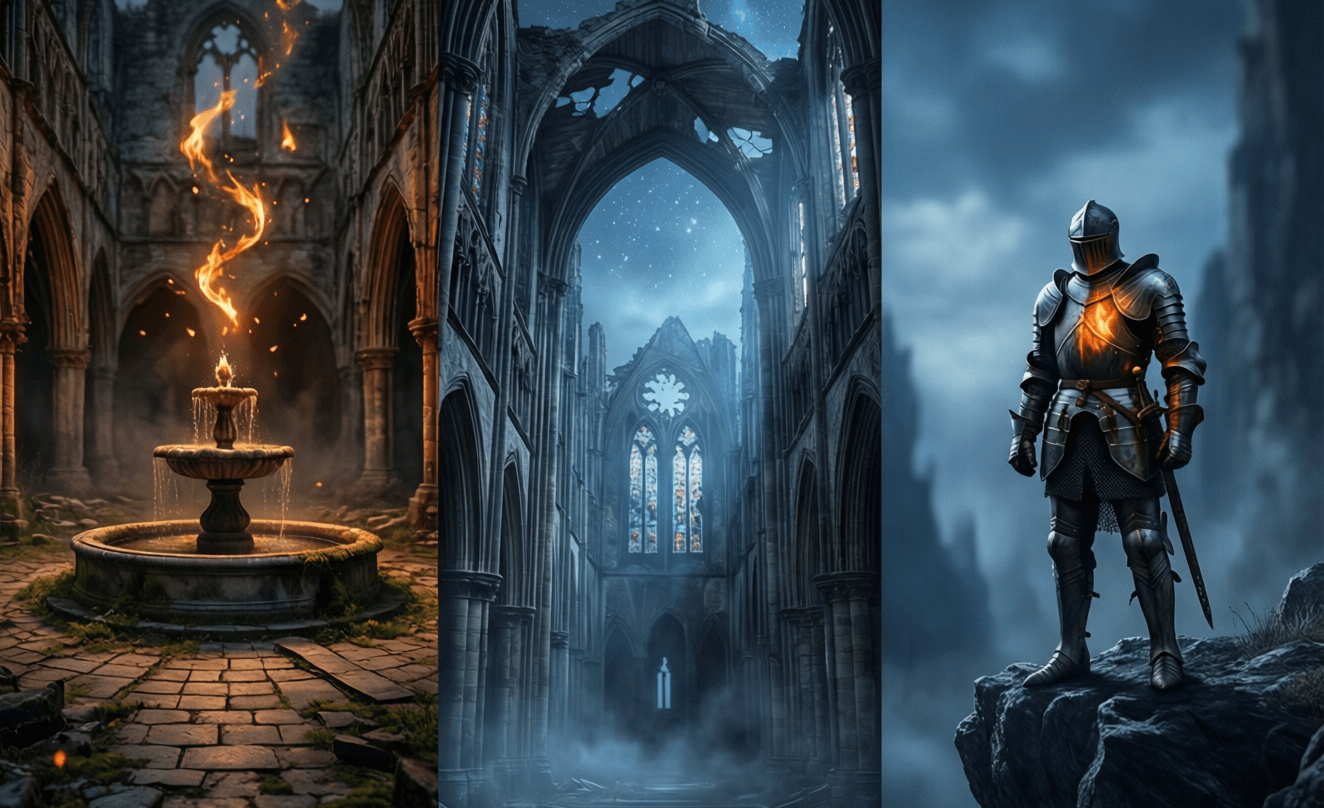
I’ve felt that rush myself, experimenting late at night with a Dark Souls-inspired wallpaper, inverting shadows to create an eerie glow that pulled me right into the game’s moody world. Tools like Ghostern’s image color inverter make it effortless, flipping hues while preserving details, so you can focus on the story your image tells. It’s not just about reversal; it’s about rediscovering colors in ways that surprise and delight, turning ordinary edits into heartfelt expressions.
TL;DR
Unlock emotional depth in your designs with advanced image color inversion techniques using free pro tools for quick, vivid transformations.
How to Use Image Color Inversion Tools Step-by-Step
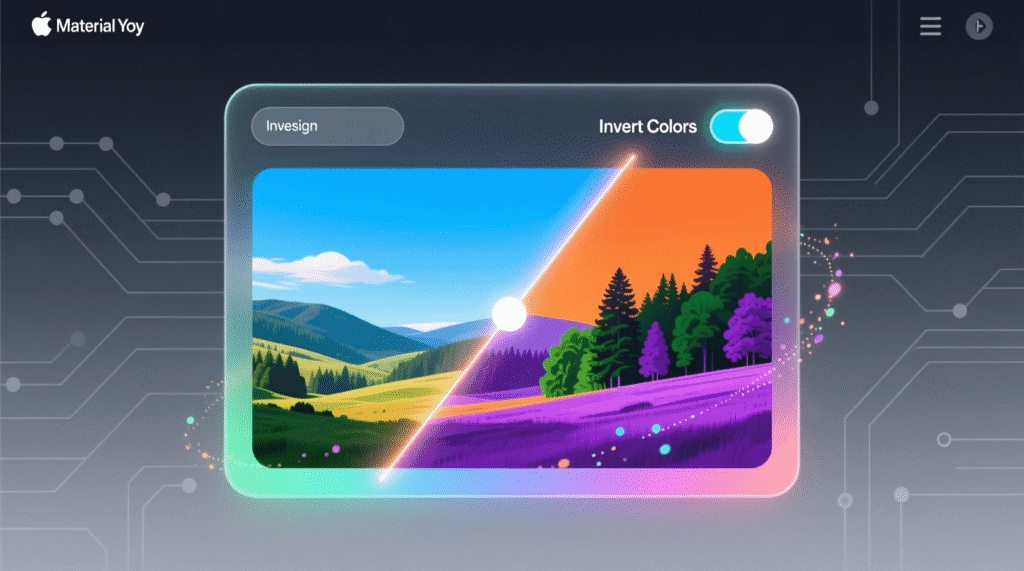
Start by uploading your image—say, a vibrant 4K anime portrait of a character with flowing hair and sunset eyes. In Ghostern’s tool, hit “Invert Colors” and watch the magic unfold: warm tones shift to cool contrasts, making the portrait feel otherworldly, like a dream sequence from your favorite series.
For a real example, take this prompt: “A detailed 4K anime girl with emerald eyes and cherry blossom background.” Before inversion, it’s soft and romantic; after, the blossoms turn shadowy purple against glowing greens, adding a haunting edge. It’s that simple tweak that turns good into unforgettable.
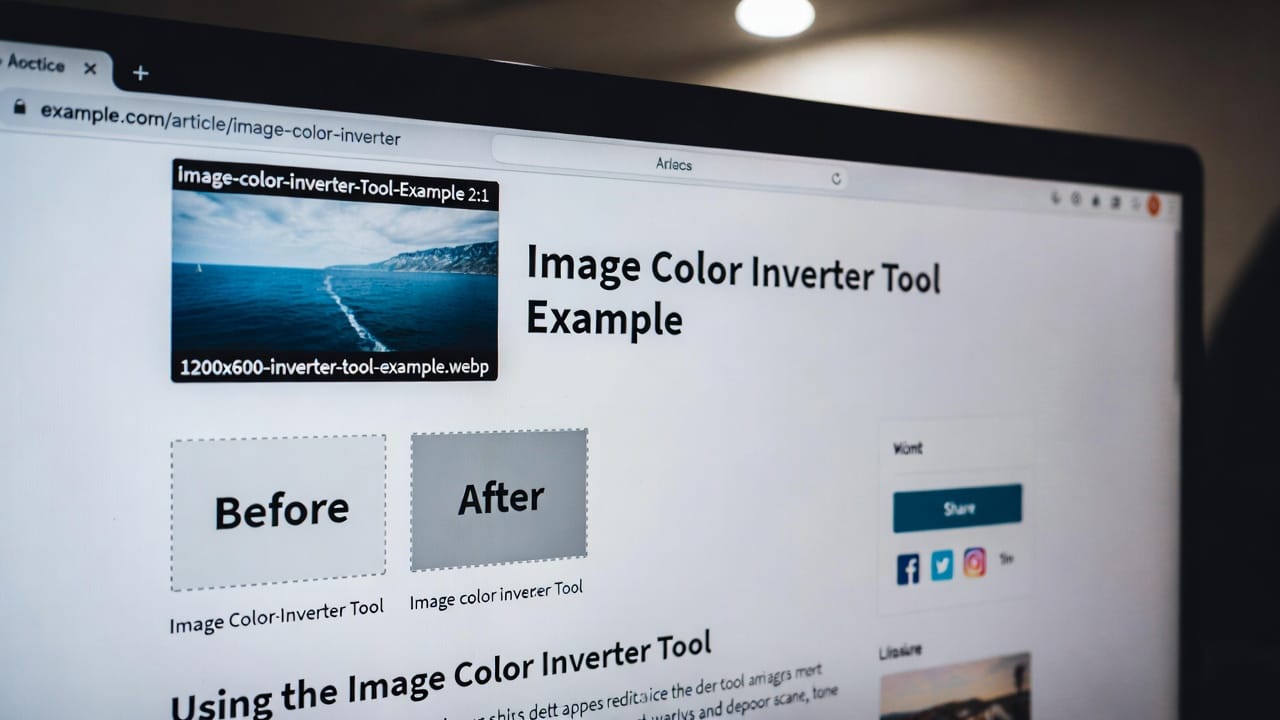
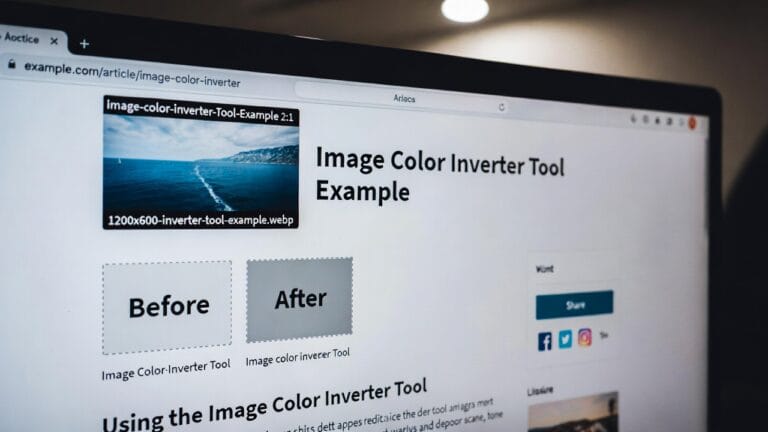
Image: Before and After Inversion Example Caption: See how inversion flips warmth to mystery in this anime portrait. Alt Text: Before and after example of advanced image color inversion techniques on a 4K anime girl portrait. Recommended: 1200x800px, WebP format for fast loading.
Best Practices for Stunning Results
Think about composition first—balance your inverted colors so highlights don’t wash out, like keeping a focal point sharp in a Stitch fan art piece. Pair with earthy palettes for grounding, or bold contrasts for drama, ensuring the flip feels intentional and alive.
Consider aspect ratios: 16:9 for desktops keeps edges crisp, while 9:16 suits phone lock screens, avoiding awkward crops that lose emotional punch. For device-safe zones, leave breathing room around text or icons—imagine inverting a nature scene and framing it perfectly for your home screen, where every pixel invites calm.
Finally, export wisely: Opt for PNG for transparency in overlays, or JPEG for quick shares, at 72 DPI for web—your edits will shine without bloating file sizes.
Technical Box: Export Settings Quick Guide
- Resolution: 4K (3840×2160) for wallpapers.
- Format: WebP for efficiency.
- Quality: 80–90% to balance size and clarity.
- Tools: Use built-in previews to tweak before saving.
Limitations and Compatibility Notes
While these tools work seamlessly on browsers like Chrome or Firefox, older mobile devices might lag on high-res files—test on your phone first for that smooth feel. Accessibility-wise, inverted colors can boost contrast for low-vision users, but always check with tools like WAVE to ensure readability.
A gentle reminder on copyright: Fan art inversions, like those cute Stitch flips, are fun for personal use, but steer clear of commercial sharing without nods to originals—keep the creativity respectful and joyful.
Related Ideas
- Invert a grayscale photo to mimic vintage film negatives for a nostalgic twist.
- Combine inversion with gradients for abstract art that feels like a color explosion.
- Flip nature shots to create “night mode” versions, evoking serene evening walks.
- Use for meme-making: Invert Dark Souls “You Died” screens for humorous glow-ups.
- Experiment with partial inversions on portraits to highlight eyes with surreal pops.
- Blend inverted layers in edits for hybrid aesthetics that tell dual stories.
Related
Curious about more tools? Check out our image color inverter for hands-on flips that pair perfectly with these techniques.
For anime fans, dive into our anime girl wallpaper collection—ideal for testing inversions on high-res portraits.
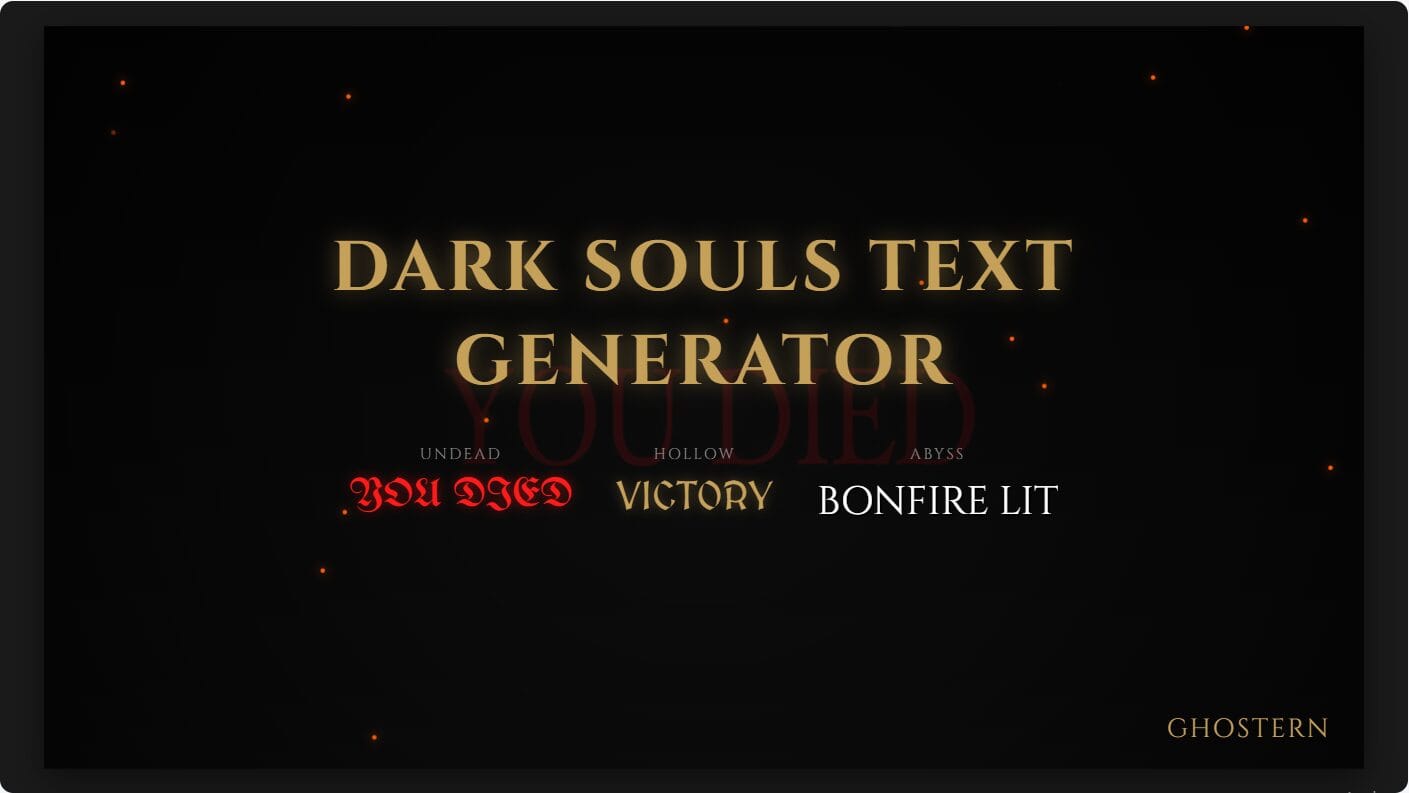
If you’re into moody gaming vibes, explore the Dark Souls text generator to complement your inverted edits with gothic flair.
Pair these with AI magic from our Gemini prompts for boys impressive images to craft even more dynamic visuals.
Resources
For exploring color palettes that shine post-inversion, visit Pantone—their trends help you pick hues that evoke real emotion in your designs.
Adobe’s Color tool lets you experiment interactively, showing why certain flips create that wow factor in edits.
FAQs
What makes image color inversion techniques advanced? They go beyond basic flips by layering effects like selective inversion, adding emotional depth to edits like turning a cheerful scene moody.
Can I use these on mobile? Absolutely—Ghostern’s tool is responsive, but for best results, edit on a larger screen to catch subtle hue shifts that feel alive.
How do I avoid washed-out colors after inversion? Boost contrast pre-flip and adjust saturation post—invert a test swatch first to keep the vibrancy that draws viewers in.
Are there free pro tools for beginners? Yes, start with ours—it’s intuitive, like chatting with a friend who guides you through each playful experiment.
What if inversion changes the mood too drastically? That’s the fun—undo and tweak; it’s about discovering hidden stories in your images that surprise and connect.
Why This Matters
In a world flooded with visuals, mastering image color inversion techniques isn’t just a skill—it’s a way to infuse your work with genuine feeling, turning scrolls into pauses where people linger and connect. It sparks curiosity, invites play, and reminds us that a simple flip can reveal beauty in the unexpected. Give it a try; your next edit might just capture a moment that resonates deeply.
About the Author Sharjeel is a design enthusiast sharing creative sparks at Ghostern. Learn more on our about page.
Follow us on Pinterest for daily visual inspirations. Discover fresh wallpaper ideas and tools that ignite your imagination. Pin your favorites and join our community of creators.