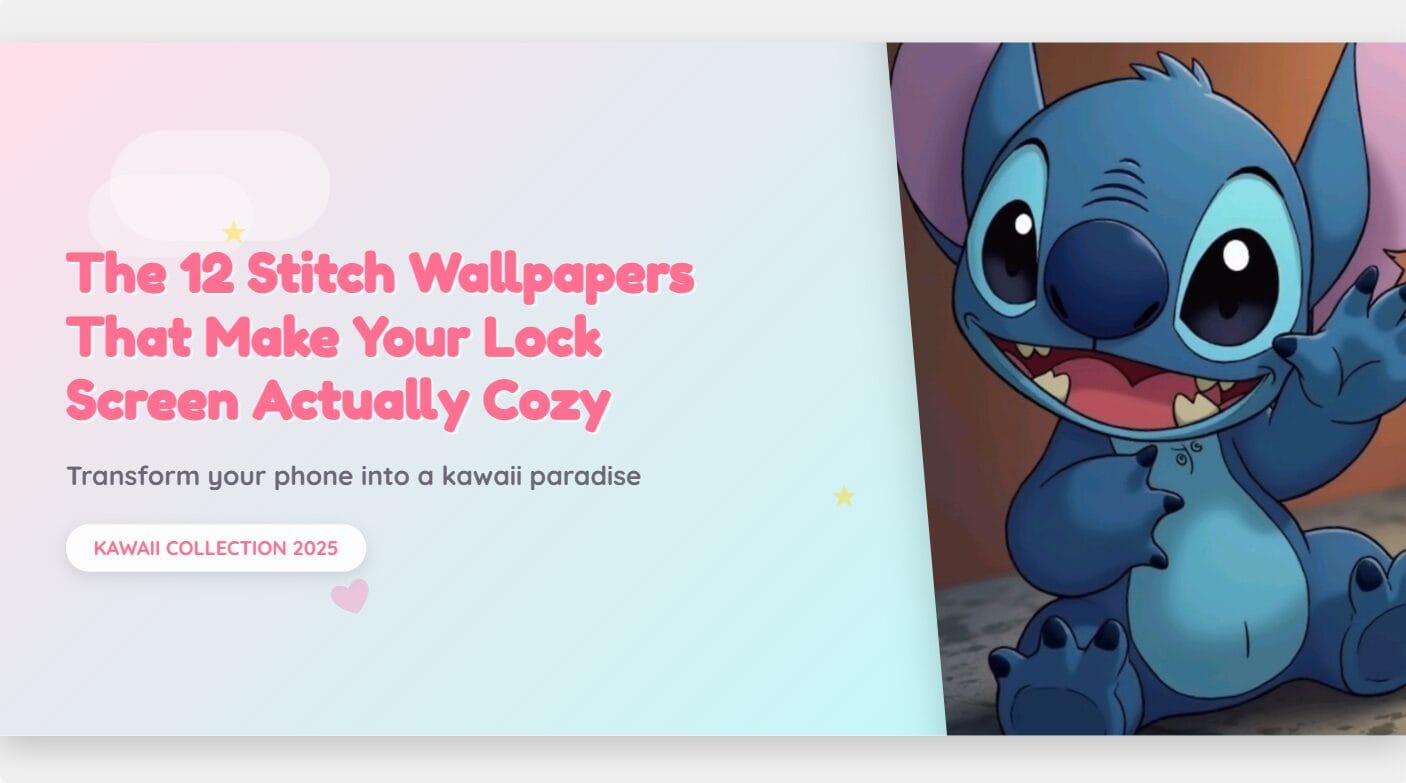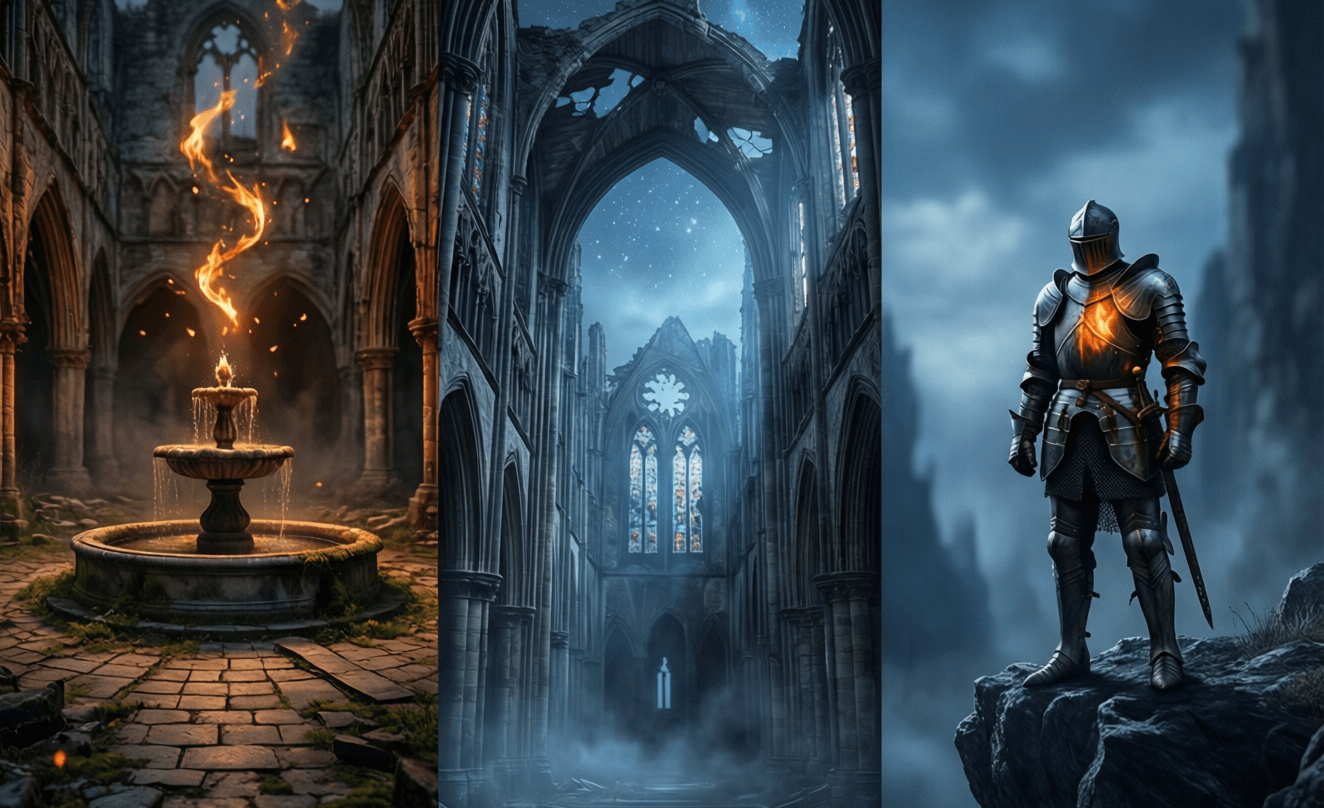
Aesthetic mobile wallpaper detail transforms how we experience our devices. Discover why tiny visual elements create powerful emotional responses on small screens.
By sharjeel | 2025-11-22
Table of Contents
- The Pocket Gallery
- The Psychology of Small Screen Impact
- Why Details Matter More on Mobile
- The Science of Visual Perception on Small Screens
- Creating Emotional Impact Through Detail
- Technical Considerations for Mobile Wallpaper Detail
- How to Keep Images Crisp Across Devices
- Curating Wallpapers for Maximum Emotional Impact
- Technical Specifications
- Frequently Asked Questions
The Pocket Gallery
Maya held her phone close to her face, captivated by the aesthetic mobile wallpaper detail that transformed her device into a tiny window to another world. The subtle texture of watercolor paper, the delicate gradient that shifted from dawn to dusk, the almost imperceptible sparkle in the character’s eyes—these tiny details created an emotional connection that larger screens somehow failed to deliver. She found herself unlocking her phone just to glimpse this miniature masterpiece, a small moment of beauty in her busy day. This intimate relationship with our phone wallpapers is unique to the mobile experience, where proximity and personal connection amplify the impact of even the smallest visual elements.
TL;DR
Aesthetic mobile wallpaper detail creates powerful emotional responses on small screens through enhanced visual intimacy and technical precision that transforms everyday device interactions into meaningful experiences.
The Psychology of Small Screen Impact
There’s something magical about how we relate to our phones. These devices spend hours in our hands, pockets, and bags, becoming extensions of ourselves. This proximity creates a unique psychological relationship that makes aesthetic mobile wallpaper detail particularly potent.
Research in human-computer interaction suggests that we form stronger emotional connections with devices we touch frequently and hold close to our bodies. Our phones check both boxes, making them ideal canvases for personal expression through carefully chosen wallpapers.
The small screen size actually works in favor of emotional impact. When we view something on a phone, we typically hold it closer to our faces than we would a tablet or computer screen. This proximity creates a sense of intimacy and focus that larger displays can’t replicate. Every pixel matters more when it’s just inches from your eyes.
This phenomenon explains why a beautifully detailed wallpaper can feel more impactful on a phone than the same image would on a larger screen. The constraints of the small format force us to engage more deeply with what’s there, creating a richer visual experience despite the limited real estate.
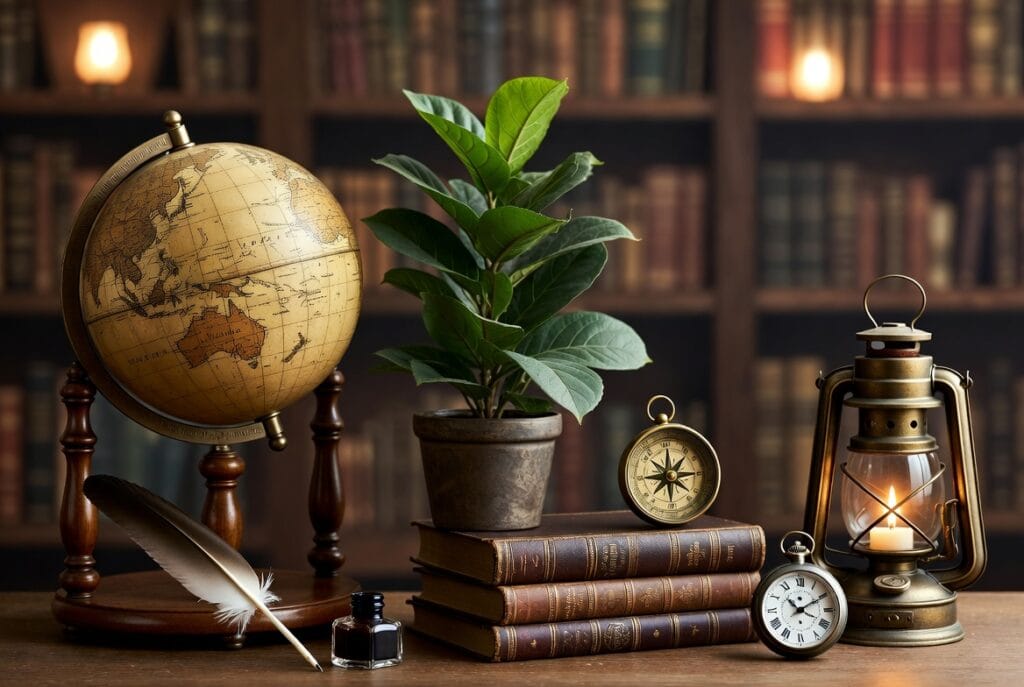
 — Caption: The aesthetic mobile wallpaper detail in this image demonstrates how subtle textures and gradients create emotional impact on small screens.
Why Details Matter More on Mobile
Mobile screens demand a different approach to visual design than their larger counterparts. The limited space means every element must earn its place, and details that might be lost on larger displays become focal points on phones.
Visual density works differently on mobile. What would feel sparse on a desktop can feel perfectly balanced on a phone. This allows designers to incorporate subtle details that reward closer inspection without overwhelming the viewer.
Viewing distance plays a crucial role. We typically hold phones 12-18 inches from our faces, compared to 20-30 inches for computers and even further for televisions. This closer viewing distance makes fine details more apparent and impactful.
Interaction patterns differ significantly. We touch, swipe, and pinch our phones, creating a tactile relationship with the content. This physical interaction makes us more attuned to visual details that respond to or enhance these gestures.
Attention span tends to be shorter on mobile, but more focused. When we look at our phone wallpapers, we’re typically giving them our full attention for brief moments, making each viewing more intense and memorable.
These factors combine to make aesthetic mobile wallpaper detail not just visible but emotionally resonant in ways that larger displays can’t match.
The Science of Visual Perception on Small Screens
Our brains process visual information differently depending on context, and the mobile environment creates unique perceptual conditions that affect how we experience wallpapers.
Peripheral vision plays a smaller role on mobile. With a small screen held close, more of the image falls within our central vision, where detail perception is highest. This means we can appreciate finer details that would be lost in our peripheral vision on larger displays.
Visual acuity peaks at the center of our vision and decreases toward the edges. On a small phone screen, a larger percentage of the image falls within this high-acuity area, allowing us to perceive more detail across the entire image.
Color perception changes with viewing distance and screen size. Colors appear more saturated and vibrant on small screens held close, making color choices particularly impactful in mobile wallpapers.
Pattern recognition is enhanced on mobile. Our brains are excellent at identifying patterns, and the focused viewing experience of a phone screen allows us to appreciate subtle patterns and repetitions that might go unnoticed on larger displays.
Understanding these perceptual principles helps explain why aesthetic mobile wallpaper detail creates such powerful emotional responses. Our brains are literally processing these images differently, with more attention paid to fine details and subtle variations.
Creating Emotional Impact Through Detail
Texture and Tactile Sensation
Texture in mobile wallpapers creates a sense of depth and tactility that can make digital images feel more physical and present. Even though we can’t actually touch the textures, our brains respond to the visual cues as if we could.
Effective texture techniques include:
- Subtle grain overlays that mimic paper or canvas, creating a more organic feel
- Brush stroke visibility in digital paintings, suggesting the artist’s hand at work
- Surface reflections that change with viewing angle, adding dynamism
- Wear and tear effects that suggest history and authenticity
These textural elements work particularly well on mobile because they reward the close viewing distance and intimate interaction we have with our phones. A subtle paper texture that might be invisible on a large monitor becomes a distinctive character element on a phone screen.
The emotional impact comes from the sense of authenticity and craftsmanship these textures convey. They transform what could be a sterile digital image into something that feels handmade and personal.
Color and Mood
Color choices in mobile wallpapers carry significant emotional weight, and the small screen format amplifies this impact. With less visual real estate, each color choice becomes more prominent and influential.
Color psychology applies directly to mobile wallpaper design:
- Cool blues and greens tend to create feelings of calm and tranquility
- Warm reds and oranges evoke energy, passion, and warmth
- Soft purples and pinks often suggest creativity and imagination
- Neutral tones can create a sense of sophistication and timelessness
On mobile screens, color saturation appears more intense due to the close viewing distance and the way our eyes perceive color on small displays. This means that what might be a subtle accent color on a larger screen becomes a dominant element on a phone.
Color transitions also play a crucial role. Gradients and color shifts that might feel gradual on larger displays appear more dramatic on small screens, creating stronger emotional responses. A well-crafted gradient can evoke the feeling of a sunset, the depth of an ocean, or the passage of time.
Composition for Small Spaces
Composition takes on new importance in the constrained space of a mobile screen. Every element must serve a purpose, and the relationships between elements become more pronounced.
Effective mobile composition techniques include:
- Rule of thirds placement that creates balance while allowing for dynamic tension
- Negative space utilization that gives elements room to breathe and creates focus
- Leading lines that guide the eye through the image despite the limited space
- Focal point emphasis that creates immediate visual interest
The small screen format actually benefits from simpler compositions. What might feel sparse on a larger display often feels perfectly balanced on a phone. This allows for more intentional use of space and more deliberate placement of key elements.
Scale relationships become more pronounced on mobile. Small differences in size between elements feel more dramatic, making scale a powerful tool for creating hierarchy and emphasis in mobile wallpapers.
 — Caption: This aesthetic mobile wallpaper detail shows how effective composition creates visual impact even on small screens.
Technical Considerations for Mobile Wallpaper Detail
Creating wallpapers that look stunning on mobile devices requires attention to technical specifications that might not matter as much on larger displays.
Resolution and pixel density vary significantly across devices. A wallpaper that looks crisp on one phone might appear blurry on another due to differences in PPI (pixels per inch). Understanding these differences is crucial for creating wallpapers that maintain their detail across devices.
Color profiles can dramatically affect how a wallpaper appears. Mobile devices use different color spaces (sRGB, P3, etc.) that can make the same image look quite different depending on the device. Designing with these variations in mind ensures more consistent results.
File formats impact both quality and performance. While JPEG works well for photographic images, PNG might be better for graphics with text or sharp edges. Newer formats like WebP offer excellent compression with minimal quality loss.
Compression settings can make or break a wallpaper’s detail. Too much compression destroys fine details, while too little results in unnecessarily large files that can slow down device performance.
For those creating their own wallpapers, understanding these technical considerations ensures that the aesthetic mobile wallpaper detail they carefully craft actually translates to the final display.
How to Keep Images Crisp Across Devices
Ensuring your wallpapers look sharp and detailed across different mobile devices requires attention to several key factors. The Android screen-density guide from Google’s developer resources provides excellent technical guidance on managing different pixel densities.
Resolution targeting is the first step. Create wallpapers at multiple resolutions to accommodate different screen sizes and pixel densities. At minimum, consider creating versions for:
- Standard HD (1920×1080)
- Full HD+ (2340×1080)
- Quad HD+ (3120×1440)
- 4K (3840×2160)
Pixel density considerations are crucial. Apple’s Human Interface Guidelines offer detailed recommendations on image assets for different devices, emphasizing the importance of providing @2x and @3x versions for retina displays.
Responsive image techniques can help ensure your wallpapers look their best on any device. As Cloudinary’s documentation on responsive images explains, using srcset attributes allows browsers to select the most appropriate image version based on the device’s capabilities.
Compression optimization balances quality with file size. Use modern compression algorithms that preserve detail while keeping file sizes manageable. Tools like TinyPNG or ImageOptim can help reduce file sizes without significant quality loss.
Testing across devices is essential. What looks good on one phone might not translate well to another due to differences in screen technology, color calibration, and rendering methods. Test your wallpapers on as many different devices as possible to ensure consistent quality.
By following these technical best practices, you can ensure that the aesthetic mobile wallpaper detail you’ve carefully crafted remains visible and impactful across a wide range of devices.
Curating Wallpapers for Maximum Emotional Impact
Finding or creating wallpapers that leverage the unique properties of small screens requires a discerning eye and understanding of what makes mobile wallpaper special.
Detail-oriented selection is key. Look for wallpapers that reward closer inspection with subtle textures, fine details, or hidden elements that reveal themselves over time. These types of wallpapers create a deeper connection that grows stronger the more you use them.
Mood alignment matters. Choose wallpapers that reflect or enhance your emotional state. Calming wallpapers for stressful times, energizing ones for when you need motivation, and contemplative images for moments of reflection.
Personal connection amplifies impact. Wallpapers that feature places you’ve been, things you love, or styles that resonate with your personal aesthetic will create stronger emotional responses than generic images.
Seasonal rotation keeps things fresh. Changing your wallpaper to reflect seasons, holidays, or personal milestones creates a sense of progression and connection to time.
Quality over quantity is important. A few carefully chosen, high-quality wallpapers will serve you better than a constantly rotating collection of mediocre ones. Take the time to find or create images that truly speak to you.
When curating your collection, remember that the best aesthetic mobile wallpaper detail works in harmony with the unique properties of small screens to create emotional connections that larger displays simply can’t match.
Technical Specifications
| Setting | Recommendation |
|---|---|
| Resolution | Multiple versions: 1080×1920, 1440×2560, 2160×3840 |
| Color Space | sRGB for universal compatibility, P3 for newer devices |
| File Format | JPEG for photos, PNG for graphics, WebP for optimal compression |
| Compression | 80-90% quality for JPEG, lossless for PNG/WebP when possible |
| Aspect Ratio | 9:19.5 for modern phones, 9:16 for older devices |
| Color Depth | 24-bit (16.7 million colors) minimum |
Frequently Asked Questions
Why do wallpapers look different on various phone models?
Different phones have varying screen technologies, color calibrations, and pixel densities. OLED displays, for example, show deeper blacks and more vibrant colors than LCD screens. Additionally, different manufacturers apply their own color processing, which can alter how the same wallpaper appears.
How can I make my own detailed wallpapers for mobile?
Start with high-resolution source images and use photo editing software to enhance details specifically for small screens. Pay attention to texture, color transitions, and composition elements that work well at close viewing distances. Export at multiple resolutions to ensure quality across different devices.
What file format is best for mobile wallpapers?
JPEG works well for photographic images with good compression and quality balance. PNG is better for graphics with text or sharp edges. WebP offers excellent compression with minimal quality loss and is supported by most modern devices. Consider the content type when choosing the format.
How often should I change my mobile wallpaper?
There’s no set rule, but changing your wallpaper every 1-2 weeks can keep your digital experience fresh and engaging. Some people prefer seasonal changes, while others change based on mood or special occasions. The key is finding a rhythm that feels right for you.
Can the same wallpaper work well on both phones and computers?
While possible, wallpapers optimized for one screen size rarely translate perfectly to another without adjustments. The viewing distance, pixel density, and aspect ratios are significantly different. For best results, create versions specifically optimized for each device type.
Why This Matters
In our increasingly digital lives, the small details we surround ourselves with take on greater significance. Our phones are constant companions, and the wallpapers we choose become part of our daily visual landscape. When we select or create wallpapers with thoughtful aesthetic mobile wallpaper detail, we’re not just decorating our devices—we’re curating intentional moments of beauty and emotional connection in our digital routines. These small but meaningful choices can transform mundane interactions with technology into opportunities for reflection, inspiration, and joy. In a world of digital overwhelm, the intimate experience of a well-crafted mobile wallpaper offers a moment of visual sanctuary that matters more than we might realize.
Ready to explore the impact of detailed wallpapers? Check out our aesthetic wallpaper collection for examples that showcase the power of detail on small screens, or visit our wallpaper size guide for device-specific recommendations.
For deeper technical insights, Google’s Android screen-density guide offers excellent information on optimizing images for different Android devices, while Apple’s Human Interface Guidelines provide detailed recommendations for iOS image assets. For practical implementation tips, Cloudinary’s responsive images documentation explains how to ensure your wallpapers look crisp across all devices.
About the Author
Sharjeel is a digital artist and mobile design enthusiast who believes in the power of small details to create meaningful digital experiences. With a background in visual design and mobile development, they specialize in creating content that helps people craft more personal and emotionally resonant digital spaces. Follow their latest projects and inspiration on Instagram @sharjeelcreates.